
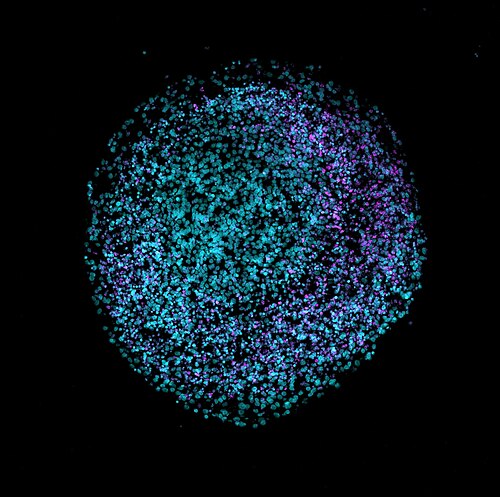
New Approach Methodologies (NAMs) represent a paradigm shift in biomedical research and drug development, replacing or supplementing traditional animal testing with human-relevant, in vitro, in silico, and in chemico technologies. This report synthesizes peer-reviewed, validated medical discoveries enabled by NAMs, organized thematically to highlight their scientific, clinical, and regulatory impact.
AI-Driven Drug Discovery & Repurposing
Artificial Intelligence (AI) and machine learning (ML) are revolutionizing drug discovery by analyzing vast datasets to identify novel drug candidates, predict drug responses, and repurpose existing drugs for new therapeutic uses. This section highlights groundbreaking discoveries where AI-driven approaches have accelerated drug development timelines, reduced reliance on animal testing, and provided actionable insights for treating complex diseases such as COVID-19, idiopathic pulmonary fibrosis, and neurodegenerative disorders.
AI-Powered Drug Repurposing for COVID-19
The JAK inhibitor baricitinib, originally approved for rheumatoid arthritis, was identified as a potential COVID-19 therapy through an AI-driven in silico NAM that predicted its ability to block SARS-CoV-2 infection and modulate cytokine signaling. Subsequent clinical trials confirmed these predictions, showing that the drug significantly reduced mortality and improved outcomes in hospitalized patients when added to standard care. This success demonstrated the profound power of AI-driven drug repurposing for rapid pandemic response. (Can New Approach Methodologies De-Risk Drug Development?)
AI-Designed Novel Drug Candidate for Idiopathic Pulmonary Fibrosis
Insilico Medicine’s AI platform designed a novel drug candidate for idiopathic pulmonary fibrosis in just 18 months by integrating multimodal omics data with deep generative models and graph networks. The candidate successfully advanced to Phase II clinical trials, providing a clear real-world example of AI’s ability to compress traditional drug discovery timelines. This methodology significantly reduced reliance on animal testing while shortening the overall development pipeline. (From AI-Assisted In Silico Computational Design to Preclinical In Vivo Models)
Topiramate for Inflammatory Bowel Disease (IBD)
Researchers utilized transcriptomic reversal scoring and network pharmacology to identify topiramate as a viable candidate for IBD by predicting its capacity to reverse disease-specific expression profiles. While further preclinical and clinical studies are currently ongoing to confirm its efficacy in large-scale human populations, the discovery phase highlights the potential for AI-driven repurposing to address complex inflammatory diseases. This approach offers a data-driven path toward new treatments for chronic conditions. (From Lab to Clinic: Success Stories of Repurposed Drugs in Treating Major Diseases)
Drug Repurposing for Neurodegenerative Disorders
High-throughput screening identified specific compounds capable of disrupting 14-3-3 protein interactions, which represents a promising therapeutic avenue for Amyotrophic Lateral Sclerosis (ALS). AI integration is currently overcoming the volume and complexity limitations of conventional screening, allowing for more efficient validation of these bio-interactions. These advancements provide new hope for neurodegenerative diseases that currently have significant unmet medical needs. (AI-driven High Throughput Screening for Targeted Drug Discovery; How AI Contributes to make High-Throughput Screening more Efficient; New Approach Methodologies Facilitating Drug Discovery)
CoreFinder: AI-Driven Discovery of Biosynthetic Gene Clusters
The CoreFinder system, a transformer-based protein language model, was used to predict biosynthetic gene cluster (BGC) functions in fungi, leading to the discovery of novel clusters. These findings were validated through in vitro fermentation and LC-MS analysis, proving that AI can drive valid scientific discoveries independently of traditional experimental paradigms. The impact of this work is the unlocking of entirely new biosynthetic pathways for future pharmaceutical advancement. (Deciphering Biosynthetic Gene Clusters with a Context-aware Protein Language Model)
Disrupting TSLP Signaling as a Treatment for Atopic Diseases
Scientists identified putative small molecule inhibitors designed to disrupt the interactions between TSLP and its receptor to treat atopic conditions. The efficacy of these molecules was demonstrated in human cell assays, providing a novel and efficient treatment option for diseases like atopic dermatitis and asthma. This discovery provides a human-relevant alternative to traditional animal models specifically for drug discovery in inflammatory skin diseases. (Disrupting TSLP-TSLP receptor interactions via putative small molecule inhibitors yields a novel and efficient treatment option for atopic diseases)
Organ-on-a-Chip & Microphysiological Systems
Organ-on-a-chip and microphysiological systems replicate the dynamic, multi-cellular environments of human organs in microfluidic devices, enabling high-fidelity studies of drug effects, disease mechanisms, and toxicity. By mimicking tissue-tissue interfaces, fluid flow, and mechanical forces, these platforms offer human-relevant alternatives to traditional animal models, driving advances in personalized medicine and regulatory-approved drug development tools.
Emulate Liver-on-a-Chip Identifies Hepatotoxicity
The Emulate liver-on-a-chip model correctly identified hepatotoxicity in 87% of drugs (see “performance assessment” link below) that had tested as safe in animal models but were later found toxic in humans. The platform recapitulated human-specific metabolic dynamics, including albumin secretion and mechanical stimuli in the extracellular matrix, validating its biological accuracy. This success highlighted the superiority of human-relevant microphysiological systems over animal models for predicting drug-induced liver injury. (Tumor organoids for cancer research and personalized medicine; Performance assessment and economic analysis of a human Liver-Chip for predictive toxicology; What are NAMs?)
Acetaminophen Toxicity Mechanism
Liver-on-a-chip technology equipped with nanotechnology-based optoelectronic sensors identified that acetaminophen blocks cellular respiration in minutes at much lower doses than previously believed. Sensors placed inside the bionic tissue detected rapid changes in oxygen uptake, revealing an ultra-rapid mitochondrial respiration impairment component not captured in legacy in vivo studies. This discovery provides a human-specific explanation for rare off-target effects and skin reactions, transforming safety protocols for one of the world’s most common medications. (Hepatotoxic assessment in a microphysiological system; What are NAMs?)
Lung-on-a-Chip for Antiviral Efficacy
A human lung-on-a-chip system was used to test RNA-based antiviral therapies for influenza, showing significant reduction in viral replication and inflammatory responses with minimal off-target toxicity. The platform demonstrated efficacy and safety under physiologically relevant conditions such as air-liquid interface and dynamic flow. This provided a human-relevant platform for antiviral drug testing, successfully overcoming the limitations of static cultures and animal models. (Lung-On-A-Chip Technologies for Disease Modeling and Drug Development; Human Lung-on-a-Chip Model Demonstrates Potential for Testing Preclinical Influenza Therapeutics; Revolutionizing respiratory health research)
Lung-on-a-Chip for Tumor Heterogeneity & Drug Resistance
Microfluidic lung-on-a-chip platforms modeled lung cancer microenvironments, enabling label-free real-time classification of tumor cells and the tracking of drug-resistant subpopulations like EGFR mutations. The technology demonstrated the ability to observe tumor heterogeneity and resistance dynamics in a human-relevant system, validating its predictive power. These insights have accelerated the development of targeted therapies and personalized treatment strategies for lung cancer. (Progress and application of lung-on-a-chip for lung cancer; The potential of lung-on-a-chip as an alternative to animal testing; Microfluidic lung cancer models: Bridging clinical treatment strategies and tumor microenvironment recapitulation)
Liver and Skin Organ-on-a-Chip for PK-PD Studies
The HUMIMIC Chip2 integrated liver spheroids and skin models to study pharmacokinetic-pharmacodynamic (PK-PD) relationships under chemical exposure. The platform’s utility for quantifying drug metabolism and toxicity was validated in a human-relevant, multi-organ context. This advancement directly supported regulatory acceptance of organ-on-a-chip technologies as essential drug development tools. (Organ-on-a-chip meets artificial intelligence in drug evaluation; Organs-on-Chips in Drug Development: Engineering Foundations, Artificial Intelligence, and Clinical Translation)
ALS Pathogenesis and Early Biomarkers
Human spinal cord organ-chips integrated with vascular interfaces modeled early sporadic Amyotrophic Lateral Sclerosis (ALS), uncovering neurofilament dysregulation and synaptic signaling defects. Multi-omics analysis confirmed these molecular changes occur before overt neuron loss, mirroring clinical biomarkers that are difficult to detect in animal models. This technology offers a human-relevant platform to study early disease progression and identify therapeutic targets before irreversible nerve damage occurs. (Organ-Chip ALS Model Uses Patient iPSCs to Uncover Early Disease Progression; An organ-chip model of sporadic ALS using iPSC)
GABAergic Signaling in Cancer Invasion
Patient-derived tumor organ-chips proved that tumor-derived GABA acts as a marker of poor prognosis and directly promotes invasion in metastatic colorectal cancer. Interrogating the underlying biology on-chip demonstrated that inhibiting GABA synthesis significantly reduced invasive behavior, capturing patient-specific heterogeneity more faithfully than static cultures. This work establishes a new therapeutic target for colorectal cancer and validates the ability of organ-chips to replicate the complex tumor microenvironment. (GABAergic signaling contributes to tumor cell invasion and poor overall survival in colorectal cancer)
Cervical Protective Role in Dysbiosis
Linked Cervix and Vagina Organ-Chips demonstrated that cervical mucus actively modulates vaginal inflammation and protects the epithelium from injury during dysbiosis. Exposure to cervix-derived mucus on-chip reduced inflammatory responses and altered protein expression profiles, identifying potential new biomarkers for bacterial vaginosis. This discovery uncovers human-specific protective mechanisms that cannot be studied in animal models, facilitating the discovery of new feminine health therapeutics. (Cervical mucus in linked human Cervix and Vagina Chips modulates vaginal dysbiosis)
Lung-on-a-Chip Replicates Human Lung Disease and Drug Responses
Microfluidic chips lined with human lung cells modeled pulmonary edema, COPD, and drug toxicity with high fidelity. This model demonstrated superior predictive value over animal models for lung disease and toxicity and is now recognized by the FDA as a valid testing platform for specific drug submissions. The impact of this technology is the enablement of more accurate modeling of human lung responses to drugs and diseases. (Reconstituting Organ-Level Lung Functions on a Chip; A Human Disease Model of Drug Toxicity–Induced Pulmonary Edema in a Lung-on-a-Chip Microdevice)
Human Skin-Lymphoreticular Model-on-Chip for Inflammatory Skin Diseases
Researchers developed a human-based skin-lymphoreticular model-on-chip emulating inflammatory skin conditions by capturing immune-skin interactions on a microfluidic platform. The utility for studying atopic dermatitis and related diseases was validated through the observation of complex cellular interactions. This advancement effectively eliminates the need for animal models in studying inflammatory skin diseases. (A Human‐Based Skin‐Lymphoreticular Model‐on‐Chip to Emulate Inflammatory Skin Conditions)
Human Organoids & Organoid-Based Models
Human organoids are three-dimensional, self-organizing cultures derived from stem cells that recapitulate the structure and function of human organs. This section showcases how organoids are transforming disease modeling, drug screening, and gene therapy development, enabling precision medicine approaches for conditions like cystic fibrosis, Duchenne muscular dystrophy, and cancer.
FIS Assay for Cystic Fibrosis
Patient-derived intestinal organoids from Cystic Fibrosis patients were used in the Forskolin-induced Swelling (FIS) assay to test CFTR-modulator drugs. The assay accurately predicted clinical trial responses for individual patients, including those with rare genotypes. This has enabled tailored therapeutic strategies, significantly increasing life expectancy for Cystic Fibrosis patients. (Towards diagnostic and personalized models using organoids; NAMs: an exciting era for drug discovery)
Patient-Derived Organoids for Gene Therapy in DMD
A breakthrough workflow successfully converted cryopreserved blood cells into induced pluripotent stem cells and then into cardiac organoids, correcting unique splicing defects in Duchenne Muscular Dystrophy patients. Custom ASOs restored dystrophin expression and improved calcium transients in these cardiac organoids, validating the therapeutic approach. This provided a scalable, cost-effective alternative to animal models for developing personalized gene therapies. (Patient-Derived Organoids for Gene Therapy Development)
Patient-Derived Organoids for Metastatic Colorectal Cancer
The OPTIC trial validated the predictive power of patient-derived organoids (PDOs) for metastatic colorectal cancer, showing that organoid response correlated with radiological tumor response and clinical survival. The trial demonstrated 83.3% accuracy in predicting patient survival and tumor response. This has enabled early identification of ineffective therapies, minimizing patient exposure to toxicity and optimizing treatment selection. (Patient-Derived Organoids Predict Treatment Response in Metastatic Colorectal Cancer)
Organoid Immune Co-Culture Models for Cancer Vaccines
Tumor organoids co-cultured with autologous peripheral blood lymphocytes simulated the tumor immune microenvironment to assess individual responses to checkpoint inhibitors and CAR-T cell therapies. This method identified tumor-specific antigens with high immunogenicity, enabling the design of personalized cancer vaccines. The discovery has revolutionized immunotherapy development by capturing spatial organization and immune dynamics. (From petri dish to patient care: organoids bring personalised cancer therapy closer)
Kidney Assembloids for Polycystic Kidney Disease
Researchers generated the most complex kidney structures to date—assembloids combining filtering nephrons with urine-concentrating collecting ducts. These assembloids recapitulated key features of Polycystic Kidney Disease, including inflammation and fibrosis, which were previously irreproducible in animal models. This work opened new avenues for studying chronic kidney disease and predicting drug-induced nephrotoxicity. (Researchers develop most advanced kidney organoid yet for disease modeling and drug discovery)
Miller-Dieker Syndrome Root Cause
Human brain organoids derived from patient cells identified the root cause of Miller-Dieker Syndrome as early neural stem cell death and severe division defects in “outer radial glia.” Time-lapse imaging showed that these specific glia cells—which are entirely absent in mouse models—failed to divide properly. This solves a long-standing mystery in neurodevelopmental disease and proves that patient-derived organoids can bridge the gap between animal models and human pathophysiology. (An Organoid-Based Model of Cortical Development Identifies Non-Cell-Autonomous Defects in Wnt Signaling Contributing to Miller-Dieker Syndrome; Cerebral organoids expressing mutant actin genes reveal cellular mechanism underlying microcephaly)
IGF-1 Dependency in Lung Cancer Subtypes
A library of 40 small cell lung cancer (SCLC) organoid lines revealed that non-neuroendocrine subtypes depend on the IGF-1 signaling axis for growth. Genetic ablation in human alveolar organoids replicated this dependency, and IGF1R inhibitors suppressed growth in patient-derived models. This identifies IGF1R inhibition as a promising new therapeutic strategy for a treatment-resistant patient population. (An organoid library unveils subtype-specific IGF-1 dependency via a YAP–AP1 axis in human small cell lung cancer)
Intestinal Organoids Reveal Stem Cell Biology
The first human intestinal organoids developed from adult stem cells enabled the study of gut disease, cancer, and drug responses in human tissue. This success was extended to liver, kidney, brain, and retinal organoids worldwide, validating the platform across multiple organ types. This technology serves as the foundation for modern human organoid research. (Single Lgr5 stem cells build crypt-villus structures in vitro without a mesenchymal niche)
Brain Organoids Model Microcephaly Caused by Zika Virus
Human brain organoids demonstrated Zika virus infection of neural progenitor cells, modeling microcephaly-like features in human tissue. The organoids captured human-specific features of microcephaly that mouse models were unable to fully recapitulate. This provided critical, human-specific insights into Zika virus pathology. ([Qian et al., Cell 2016; Garcez et al., Science 2016]; Brain-Region-Specific Organoids Using Mini-bioreactors for Modeling ZIKV Exposure; Zika virus tested in human brain organoids)
In Silico Modeling, PBPK, and Computational Methods
In silico modeling—including Physiologically Based Pharmacokinetic (PBPK) models and digital twins—simulates drug behavior in the human body, enabling virtual clinical trials and predictive toxicology. By integrating computational methods with biological data, these approaches reduce reliance on animal testing, optimize dosing regimens, and accelerate the development of safe and effective therapies.
Physiologically Based Pharmacokinetic Modeling
PBPK models integrate in vitro data on absorption, distribution, metabolism, and excretion with physiological parameters to predict internal human exposure. The models correctly estimated systemic exposure of caffeine and coumarin, demonstrating that model-informed approaches can replace in vivo toxicokinetics. This impact has enabled virtual clinical trials and optimized dosing regimens without animal testing. (Advancing drug development with “Fit-for-Purpose” modeling informed approaches; SCCS Notes of guidance for the testing of cosmetic ingredients and their safety evaluation; The margin of internal exposure (MOIE) concept for dermal risk assessment based on oral toxicity data – A case study with caffeine; AI-driven virtual cell models in preclinical research; Organs-on-Chips in Drug Development: Engineering Foundations, Artificial Intelligence, and Clinical Translation)
Bioequivalence Bridging for Tofacitinib
Pharmacokinetic/pharmacodynamic modeling was used to bridge the immediate-release formulation of tofacitinib to a new extended-release version. The computational model successfully established bioequivalence, satisfying regulatory safety and efficacy requirements without further animal testing. This supported FDA approval while avoiding new Phase 3 clinical trials, accelerating patient access to the formulation. (Integrating Clinical Variability into PBPK Models for Virtual Bioequivalence of Single and Multiple Doses of Tofacitinib Modified-Release Dosage Form; Virtual Bioequivalence Assessment of Tofacitinib Once Daily Modified Release Dosage Form in Pediatric Subjects)
Digital Twins for Clinical Trial Simulation
Digital twins are virtual representations of individuals that integrate clinical, genetic, and environmental data to revolutionize clinical trial design. Simulation of treatment strategies before patient enrollment has been shown to reduce both risks and costs. This technology could eventually eliminate the need for many traditional clinical trials by predicting patient-specific responses. (Increasing acceptance of AI‐generated digital twins through clinical trial applications; The Use of Digital Healthcare Twins in Early-Phase Clinical Trials: Opportunities, Challenges, and Applications; Enhancing randomized clinical trials with digital twins; What are NAMs?)
Quantitative Systems Pharmacology Models
QSP models combine mechanical simulations of physiology with molecular signaling pathways to predict immunogenicity and pharmacokinetics of complex biologics. The FDA highlighted QSP as a vital tool to reduce reliance on animal testing for “what-if” development scenarios. The use of these models has accelerated the development of biologics and personalized medicine. (FDA animal testing phaseout urges AI-based trial alternatives, organoids, other “NAMs”; Beyond lab animals)
AlphaFold Predicts Protein Structures
AI-based prediction of protein 3D structures from amino acid sequences transformed structural biology and drug target identification. The open-access database covers over 200 million structures with atomic accuracy, even for architectures not previously discovered in animal research. This provides data that previously required years of laboratory work, significantly supporting the efficiency of NAM workflows. (Highly accurate protein structure prediction with AlphaFold)
High-Throughput & Omics-Based Approaches
High-throughput technologies such as CRISPR screens, single-cell RNA sequencing, and multi-omics integration enable rapid identification and validation of drug targets, disease mechanisms, and toxicity pathways. This section highlights how omics-based NAMs are reshaping mechanistic understanding and accelerating the discovery of novel therapies for diseases with high unmet medical needs.
Tox21 Consortium: High-Throughput Chemical Screening
The Tox21 federal collaboration uses robotic high-throughput screening to evaluate thousands of chemicals simultaneously, leading to the development of an 18-assay battery for the estrogen receptor pathway. The EPA formally accepted this computational model as an alternative to traditional rodent assays for identifying endocrine disruptors. This marked the first regulatory prioritization of robotically derived molecular data over animal testing. (Tox21: Chemical testing in the 21st century; United States Federal Government TOX21 Collaboration; About Tox21)
Multi-Omics Integration for Toxicity Pathways
Integrative NAMs combining genomics, transcriptomics, proteomics, and metabolomics have revealed novel oxidative stress and mitochondrial dysfunction signatures. These models successfully distinguished adaptive from adverse responses and generated candidate biomarkers for early detection. This has reshaped the mechanistic understanding of chemical toxicity by moving beyond simple observational data. (Multi-omics integration analysis; The future of pharmaceuticals: Artificial intelligence in drug discovery and development; Skin Sensitisation Case Study; Prospects and challenges of multi-omics data integration in toxicology)
CRISPR Screens for Drug Target Validation
CRISPR/Cas9 gene editing and single-cell RNA sequencing enabled the rapid identification and validation of drug targets for cancer and neurodegenerative diseases. This link between gene perturbations and therapeutic efficacy was validated across multiple cell lines, accelerating the discovery of novel treatments. Consequently, reliance on animal models for target validation has been significantly reduced. (CRISPR Cas9 Gene Editing; CRISPR-Cas9 in Functional Genomics: Implications for Target Validation in Precision Oncology; Target Validation with CRISPR; The future of pharmaceuticals: Artificial intelligence in drug discovery and development)
AOP-Linked In Vitro Screens for Seizure Liability
A government-industry collaboration mapped mechanisms leading to drug-induced seizures using adverse outcome pathways and in vitro assays. The project identified 27 biological target families and developed over 100 assay endpoints for more accurate risk assessment. This mechanism-focused screening replaces animal models that historically failed to predict drug-induced seizures. (De-risking seizure liability; Can New Approach Methodologies De-Risk Drug Development?; iPSC derived cardiomyocytes for cardiac toxicity assessment)
Toxicology & Safety Assessment via NAMs
NAMs are transforming toxicology and safety assessment by providing human-relevant models for predicting compound toxicity, skin sensitization, endocrine disruption, and mixture toxicology. This section explores how regulatory agencies and industries are adopting these methods to improve chemical risk assessment and reduce reliance on animal testing.
Endocrine Disruption Assessment
The Tox21 estrogen receptor pathway battery identified compounds interfering with human hormones using robotic screening results. The EPA accepted this computational model as an alternative to rodent assays, validating the use of robotically derived data. This provides a recognized non-animal alternative for hazard identification regarding endocrine disruptors. (Toxic Alerts of Endocrine Disruption Revealed by Explainable Artificial Intelligence; Tox21: Chemical testing in the 21st century; Use of New Approach Methodologies)
Skin Sensitization Hazard & Potency Prediction
The OECD TG 497 guideline combined multiple NAMs, such as peptide reactivity and keratinocyte activation assays, to classify skin sensitization. The performance was validated as equal to or better than mouse assays, even for chemicals not previously tested in animals. This established a regulatory framework for animal-free safety testing of skin sensitizers. (Skin Sensitisation Case Study: Comparison of Defined Approaches including OECD 497 Guidance; Advancing Skin Sensitization Potency Categorization Using U-SENS™ in OECD TG 497; Standardisation and international adoption of defined approaches for skin sensitisation; Evaluating the ability of defined approaches to predict the human skin sensitisation potential of chemicals previously untested in new approach methodologies; Case Study on the Use of Integrated Approaches for Testing and Assessment for skin sensitisation)
BER for PFAS Risk Assessment
Regulators used in vitro assays to calculate human equivalent doses and derive a Bioactivity-Exposure Ratio (BER) for emerging PFAS compounds. The BER served as a validated protective surrogate in the absence of traditional animal data. This enabled risk-based prioritization of chemicals based on biological perturbation likelihood. (S13-02 NAMs to investigate chemical-induced immunotoxicity: the cases of PFAS and BPA analogs; Use of new approach methods (NAMs) in risk assessment; Sensitivity Analysis of the Inputs for Bioactivity-Exposure Ratio Calculations in a NAM-Based Systemic Safety Toolbox)
Mixture Toxicology via NAMs
NAM-based defined approaches were extended to complex mixtures such as pesticide formulations to assess their collective toxicity. Panels of in chemico and in vitro assays demonstrated they could accurately identify and rank sensitization potential. This impact advanced the understanding of combined exposure effects without resorting to animal testing. (iPSC derived cardiomyocytes for cardiac toxicity assessment; Case Study on the Use of Integrated Approaches for Testing and Assessment for skin sensitisation of Diethanolamine; Chemical testing using new approach methodologies)
Reconstructed Human Skin Models
Reconstructed human skin models have been validated by the OECD as replacements for the Draize rabbit skin irritation test. These models are now standard in the EU and increasingly adopted globally for testing cosmetics and chemicals. Their use eliminates animal testing for skin irritation and corrosion endpoints in multiple jurisdictions. (In Vitro Skin Models as Non-Animal Methods for Dermal Drug Development and Safety Assessment; Artificial Skin Models for Animal-Free Testing)
Corneal and Eye Irritation Models
Validated alternatives to the Draize rabbit eye test, such as EpiOcular and SkinEthic HCE, assess the eye irritation potential of chemicals and consumer products. These human-relevant models provide accurate safety assessments for a wide range of industrial applications. They offer a validated non-animal alternative that is both more ethical and biologically relevant. (Tissue Engineered Mini-Cornea Model for Eye Irritation Test; Corneal epithelium models for safety assessment in drug development: Present and future directions)
Regulatory & Industry Adoption of NAMs
Regulatory agencies and pharmaceutical companies are increasingly embracing NAMs to streamline drug development, enhance predictivity, and align with ethical and scientific advancements. This section examines key milestones—such as the FDA Modernization Act 2.0 and OECD standards—that are paving the way for the global adoption of human-relevant, animal-free methodologies in biomedical research.
FDA Modernization Act 2.0
The FDA Modernization Act 2.0 (2022) removed the federal mandate for animal testing in new drug applications. This was a significant move by the FDA toward utilizing human cells and organoids in preclinical safety assessments. The act explicitly encouraged the use of NAMs to provide more accurate and relevant data for human health. (FDA Modernization Act 2.0: transitioning beyond animal models with human cells, organoids, and AI/ML-based approaches; How new approach methodologies are reshaping drug discovery; Organ-on-a-chip meets artificial intelligence in drug evaluation)
FDA CDER NAM Validation Guidance
The FDA’s Center for Drug Evaluation and Research (CDER) released draft guidance establishing a validation framework for NAM-derived data. These guidelines are based on scientific confidence and “fit-for-purpose” utility, marking a definitive shift away from the animal model. This provided a clear regulatory pathway for integrating NAMs into Investigational New Drug applications. (FDA Releases Draft Guidance on Alternatives to Animal Testing in Drug Development; New Approach Methodologies (NAMs) in Drug Development)
OECD International Standards
The OECD Guidance Document 34 established international standards for the validation and acceptance of alternative test methods. This facilitated global harmonization and the widespread adoption of NAMs in various regulatory frameworks. These standards ensure that non-animal data is accepted consistently across member countries. (List of Alternative Test Methods and Strategies (or New Approach Methodologies NAMs); OECD Series On Testing And Assessment Number 34)
Industry Investments in NAMs
Major pharmaceutical companies such as Roche and AstraZeneca have made significant investments in Emulate organ-on-a-chip platforms and computational modeling. These investments validate the efficiency and reliability of NAMs for toxicity prediction and personalized medicine. This has accelerated the industry-wide transition toward human-relevant models in drug development. (How new approach methodologies are reshaping drug discovery)
Tebentafusp Regulatory Approval
Tebentafusp (Kimmtrak) became the first immunotherapy to reach regulatory approval without in vivo animal pharmacodynamic data. Because the drug lacked activity in any animal species, the sponsors relied entirely on human-centric NAMs to justify safety and efficacy. This establishes a major regulatory milestone, proving that human-relevant data can fully replace animal testing for specific first-in-class therapeutics. (Immunocore announces FDA approval of KIMMTRAK® (tebentafusp-tebn) for the treatment of unresectable or metastatic uveal melanoma; Summary Basis of Decision for Kimmtrak in Canada)
Aspect Biosystems — 3D Bioprinting Platform
Aspect Biosystems has developed bioprinted human tissue models designed to replace animal testing in drug development. These bioprinted therapeutics are designed to replace biological functions in the body, representing a major innovation in Canadian biotechnology. These models provide advanced tissue platforms that enhance the accuracy of preclinical drug testing. (Aspect Biosystems)
Canadian Centre for Alternatives to Animal Methods – now Canadian Institute for Animal-Free Science
The CCAAM was Canada’s first dedicated academic center for NAM research, promoting human-relevant, non-animal approaches in science. Established in 2017 at the University of Windsor, the center was instrumental in conducting and disseminating research on advanced alternative methods. Its work has been halted due to the lack of a sustained funding commitment from government. Its principal, Charu Chandrasekera Ph.D., strives to continue the drive toward the adoption and validation of NAMs within Canada under the new organization, the Canadian Institute for Animal-Free Science.
USP Chapter <86> Recombinant Reagents
The U.S. Pharmacopeia implemented Chapter <86> in May 2025, endorsing the use of non-animal-derived reagents for bacterial endotoxin testing. This change allows for the use of recombinant Factor C, utilizing gene sequences from horseshoe crabs instead of their blood. This modernization could save up to 90,000 animals per year while increasing batch consistency in pharmaceutical manufacturing. (<86> Bacterial Endotoxins Test Using Recombinant Reagents)
Notes compiled and verified by Progressive Non-Animal Research Society with grateful thanks to our research and advisory team
 Progressive Non-Animal Research Society (PNARS)